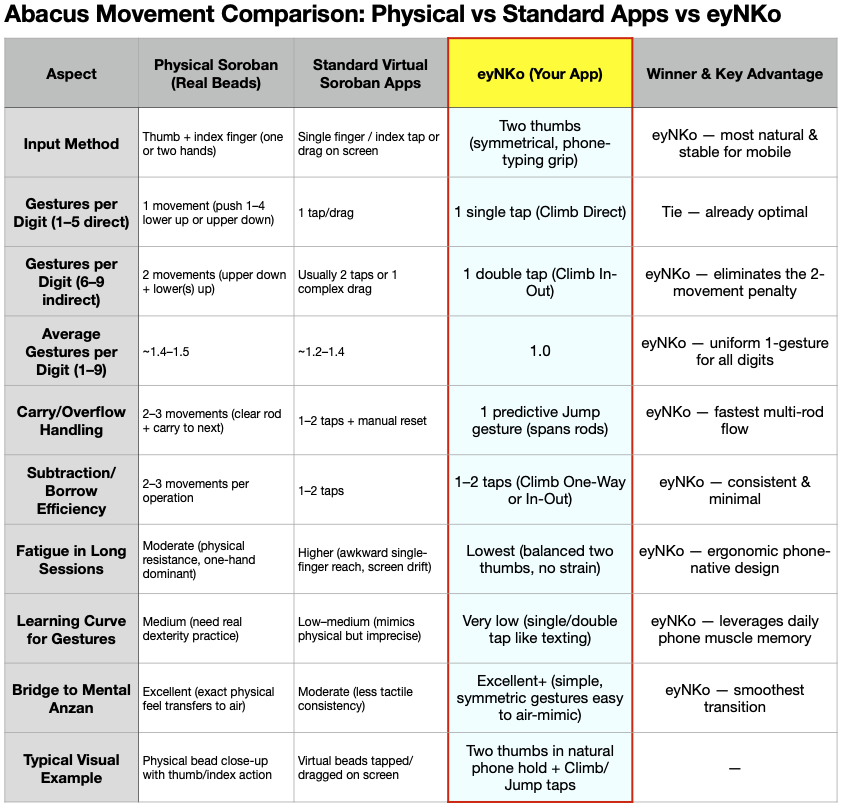
Bi-Quinary Moves
The present physical abacus bi-quinary 1+4 arrangement is not just a historical curiosity — it is an engineering optimisation that minimises finger travel, maximises tactile distinctiveness, and cuts the physical workload by roughly 75 %. It is objectively the fastest human-computable decimal abacus design ever made.
How Traditional ABACUS Finger Technique Translates to Two Thumbs
eyNKo introduces a highly intuitive, two-thumb-operated soroban for smartphones, leveraging the familiar posture most people already use for texting, gaming, or fast input. By mapping all bead movements to simple, consistent gestures (single tap, double tap), it achieves true 1-gesture-per-digit entry (1–9) while feeling natural and low-friction — just like using a phone keyboard.
This design reinterprets the bi-quinary soroban (1 heaven bead = 5, 4 earth beads = 1) into four gesture families, all executed with one or two taps using the thumbs:
The system for moving abacus beads is significantly simplified by using just three "claims" and one "jump" move, eliminating the need to learn numerous "friends" or confusing formulas. The claims are categorised into three types: Up-Down, In-Out, and One-Way, and are used for movements involving a single rod. The "jump" move is specifically used for movements spanning multiple rods. By using simple taps to move beads, we minimize the need for numerous finger movements. The double-tap action provides a very efficient way to perform the In-Out and One-way moves as a single action, rather than having to push and pull beads with various fingers. This simplification makes the moves very quick to learn and easy to commit to muscle memory.
Pic - A
Pic - B
Pic - C
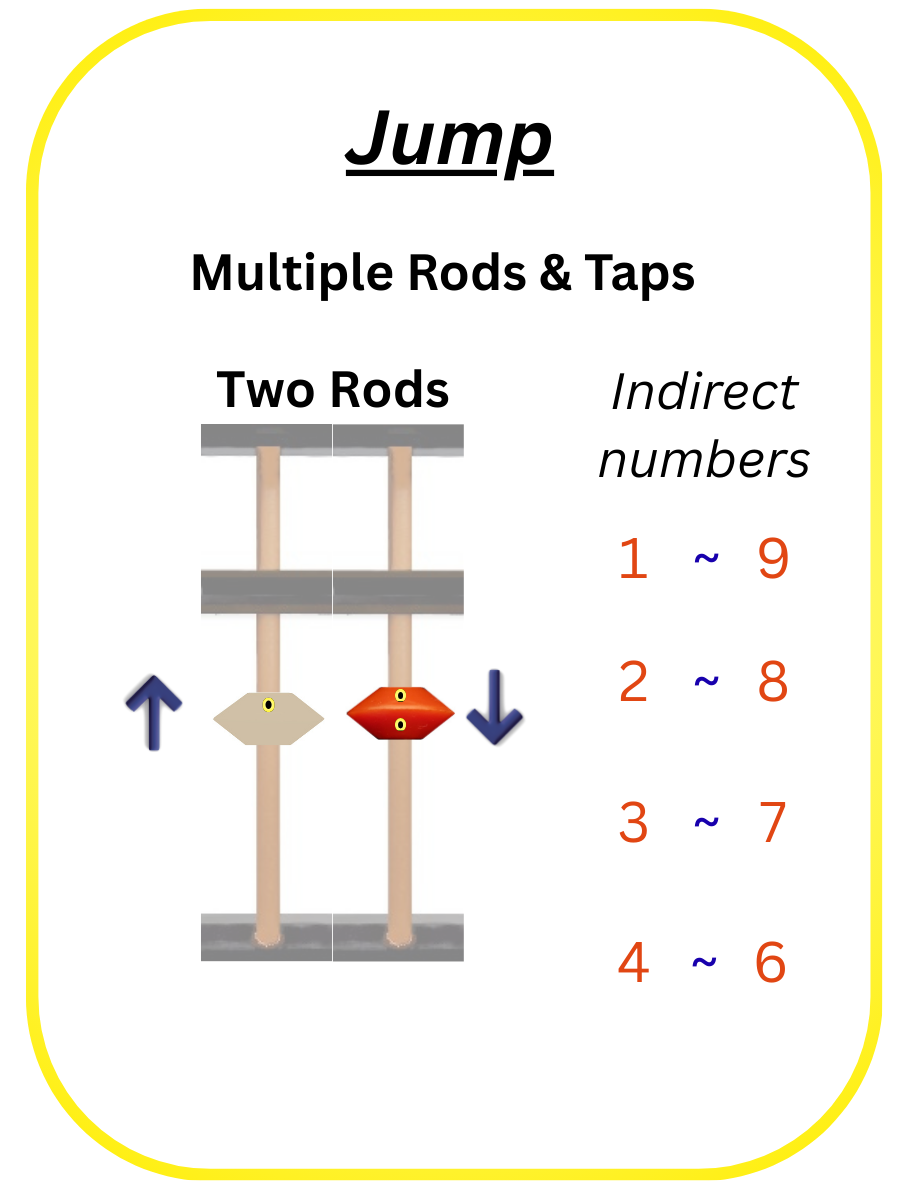
Pic - D
In physical soroban, experts use mainly thumb + index finger (thumb for lower beads/1s, index for upper bead/5), often with quick coordinated movements. eyNKo replaces this with two thumbs…
Core Movement System: Climb & Jump Gestures
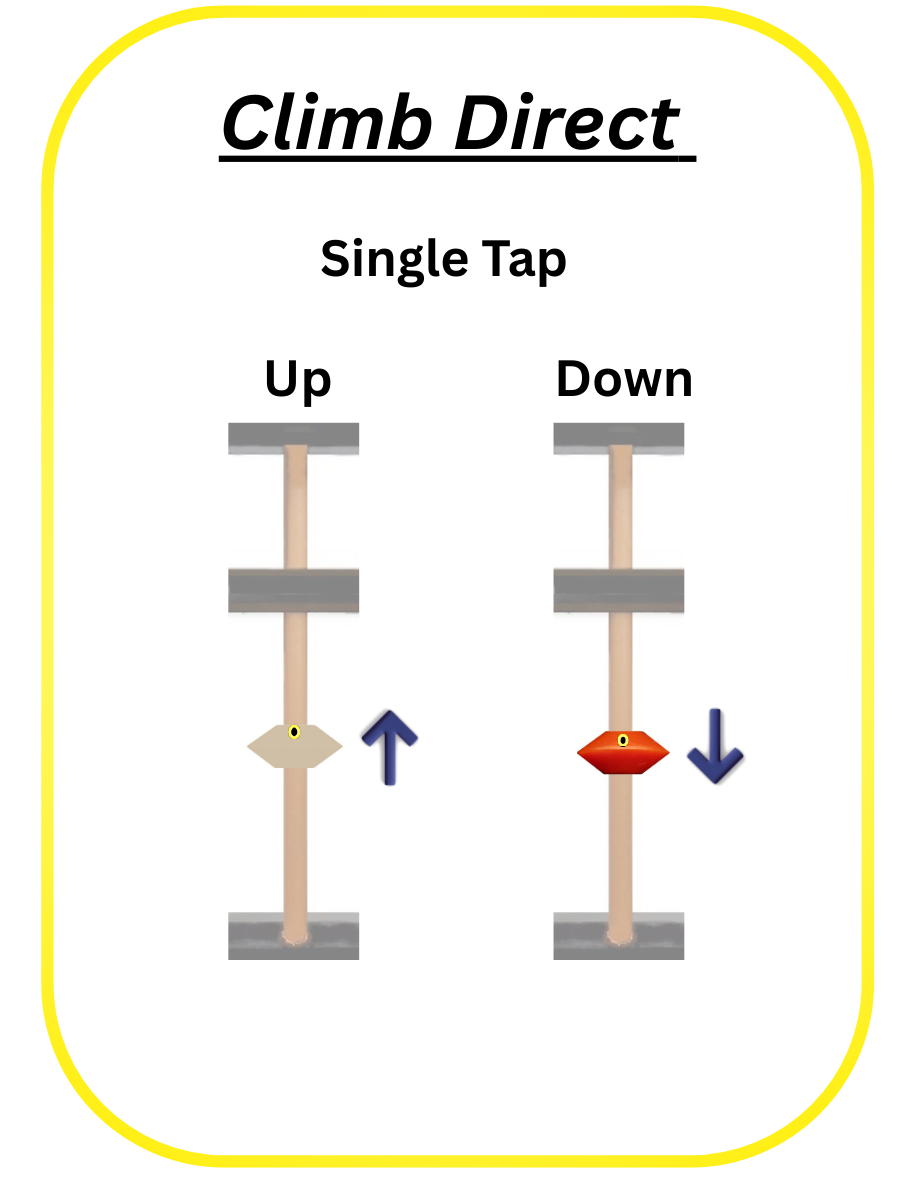
Climb Direct (for direct numbers 1–5) Single tap on the appropriate zone moves either the lower beads up or the upper bead down. Familiar, one-motion action — like a quick key press.
illustration (Pic A):
→ Up zone → lower beads (1–4) → Down zone → upper bead (5)
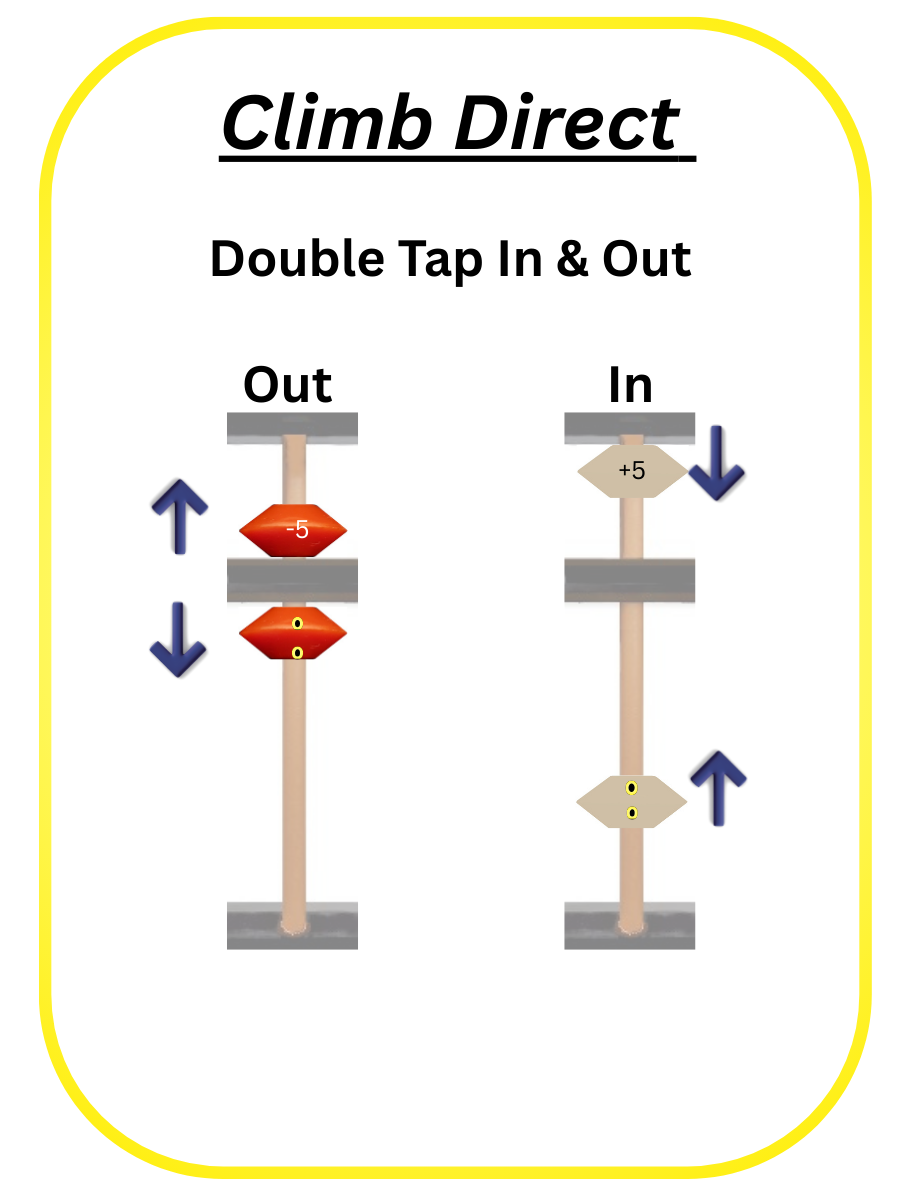
Climb In-Out (for indirect numbers 6–9) Double tap activates both the +5 (down) and the corresponding lower beads (up) in one fluid sequence. This removes the traditional two separate moves, making 6–9 as fast as 1–5.
illustration (Pic B):
→ Double tap "In" → +5 down + lower beads up → Double tap "Out" → reverse for subtraction
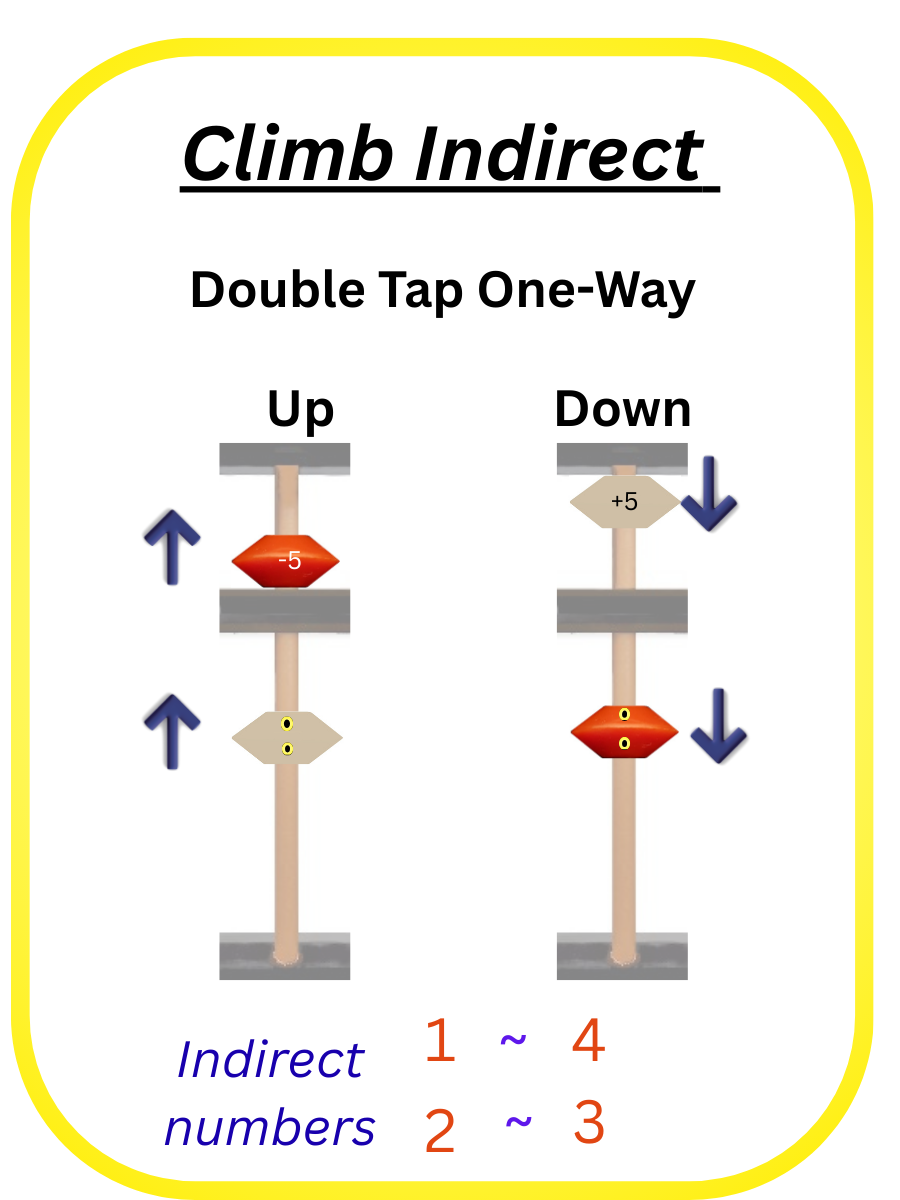
Climb One-Way (indirect low numbers 1–4 with subtraction context) Double tap one-way for specific ±1/±5 combinations (e.g., borrow/clear scenarios). Keeps the interface consistent — double tap always means "combined action".
illustration (Pic C):
→ Focused on one direction for efficiency in carries/subtractions
Jump (multi-rod / spanning operations) Gesture spans across rods (e.g., swipe or repeated taps) to handle carries, multi-digit input, or chained calculations quickly. Allows the thumbs to "jump" between columns naturally, like moving between keys on a keyboard.
illustration (Pic D):
→ Shows coordination across two rods for indirect numbers (1↔9, 2↔8, etc.)
Zero learning curve for thumb placement — users already hold phones this way daily
Uniform speed — every digit (direct or indirect) in 1 gesture (single or double tap)
Low fatigue — symmetrical two-thumb work distributes effort evenly
Fast carry/Jump handling — natural for multi-digit math
Anzan-friendly — simple, memorable gestures transfer easily to mental/air practice
Gesture Familiarity Boost
eyNKo system reuses gestures people already know from everyday phone use:
Single tap → like tapping a key : Directional intent Up-Down
Double tap → like zoom or quick actions (very common) : Directional intent In-Out, One-Way
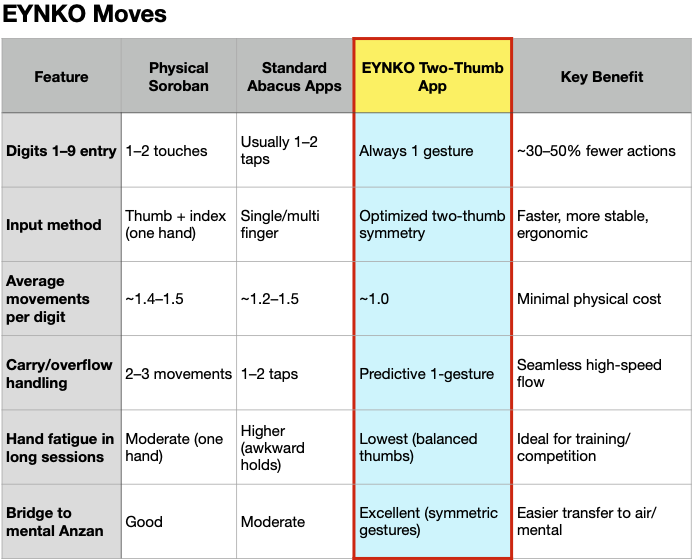
Advantages of evaluation on Abacus from Soraban to eyNKo